A sump pump repair Tulsa call concentrates in two places: the Arkansas River flood plain (West Tulsa, Sand Springs, Sapulpa) and the spring storm season (May-June convective systems). Both produce demand spikes that overwhelm undersized or aging primary pumps, and battery-backup installations are the single highest-value preventive upgrade in flood-prone zips.
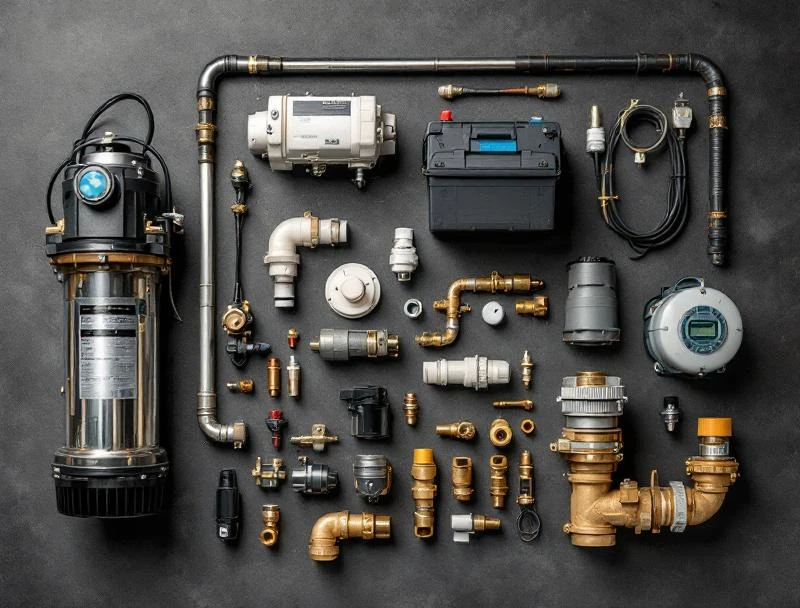
This page covers submersible and pedestal pump replacement, battery and water-powered backup systems, float-switch and check-valve diagnostics, sump pit cleaning, discharge-line freeze protection, smart monitoring with WiFi alarms, and the integration with drain-tile perimeter drainage.
When a Tulsa Sump Pump Has to Run for Real
The Arkansas River flood plain creates a higher seasonal water table than the rest of the metro, driving both higher pump cycle frequency and faster pump wear. Typical primary-pump replacement intervals in 74063 Sand Springs, 74066 Sapulpa, 74107 West Tulsa run 5-7 years; comparable primary pumps in dry-side zips reach 8-12 years.
May-June convective storms drive demand spikes that overwhelm marginal systems. The same storm that loads the drain tile is typically the storm that drops power to the primary pump — which is why battery-backup installs in flood plain zips outperform similar installs in inland zips. Smart monitoring with cellular or WiFi notification flags pump-not-running events before basement water reaches floor level.
For occupied basements, the pump-failure event has three phases: pump stops, pit fills, water reaches floor. Each phase takes 30-60 minutes depending on inflow rate, giving roughly 90-180 minutes from initial failure to first floor flooding. Emergency response in this window prevents the catastrophic flood; response after first flooding involves cleanup and remediation in addition to repair.
How a Sump System Actually Fails — Pump, Float, Check, or Discharge
The sump system has four components that can fail independently. Pump motor: bearing seizure, capacitor failure, or motor burnout. Float switch: stuck float (debris, ice, or hardware wear), failed switch contacts, or piggyback plug failure. Check valve: worn seat allowing water to cycle back into the pit, or stuck closed restricting flow. Discharge line: frozen, clogged with sediment, kinked, or disconnected.
Diagnosis sequence: open the pit cover, lift the float manually, listen for pump operation. If the pump runs when the float is lifted, the float is the issue. If the pump runs but no water leaves the pit, the check valve is failed open (cycling water back) or the discharge is blocked. If the pump doesn’t run at all, the motor or electrical supply is the issue.
For the electrical-supply path, verify breaker on, test outlet voltage with a non-contact tester, check piggyback plug if used, and verify dedicated circuit hasn’t tripped from shared overload.
A backed-up basement floor drain mid-storm can be either a sump failure or a sewer-side backup, and sewer line repair Tulsa scope is the differential diagnostic when the camera shows main-side blockage.
Submersible vs Pedestal in Tulsa Basements
Submersible pumps sit at the bottom of the pit, fully submerged in water during operation. Quieter operation, better for finished basement spaces. Zoeller M53 / M267 / M98, Liberty 257 / 237, Wayne CDU800 / CDU980E, Hydromatic V-A1. 1/3 hp and 1/2 hp residential standard.
Pedestal pumps mount above the pit on a vertical column, with only the inlet submerged. Easier to service (the motor is accessible without lifting from water), but louder and less aesthetic. Wayne SPV500, Superior 92301. Suitable for narrow pits or unfinished basement applications.
For Tulsa basements, submersible is the dominant choice in finished space; pedestal serves narrow pits or crawlspace installations.
Battery Backup, Water-Powered Backup, and Why You Need One
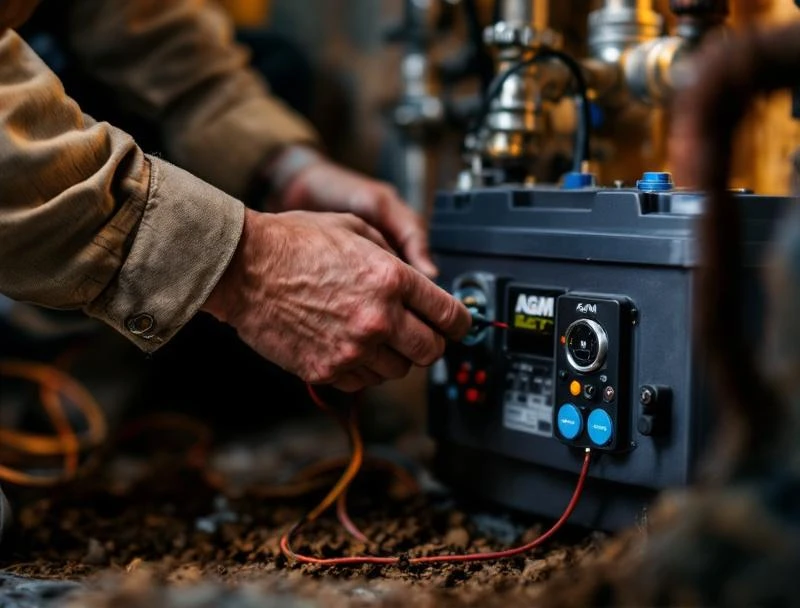
Battery backup pumps install alongside the primary pump and run on a deep-cycle marine battery (typically AGM chemistry for sealed maintenance-free operation). When the primary loses power or fails, the backup takes over automatically. Zoeller Aquanot 508, Wayne ESP25, Basement Watchdog Big Combo BWC1 are dominant residential systems.
Water-powered backup pumps use city water pressure via venturi vacuum action to lift sump water out of the pit. Liberty SJ10, Basepump RB750-EZ. Requires 60+ psi supply pressure and an RPZ backflow preventer per code. No battery to replace, but uses 1-2 gallons of city water for every gallon pumped.
For Tulsa homes, battery backup is more common in finished basements where reliability during storm-season outages matters most. Water-powered backup works well for homes with reliable supply pressure and minimal outage-period interior demand.
The Discharge Line and Why It Freezes
Discharge-line freeze in Tulsa concentrates in the first 5-8 feet from the house wall where the line is shallow before reaching code depth at the daylight termination. Below the 12-inch frost line, the buried section is generally safe. Above grade and at the daylight termination, freeze is a recurring winter issue.
IceGuard and FreezeGuard relief fittings prevent catastrophic backup if the buried section freezes. The fitting includes a side-port relief that opens when discharge is blocked, allowing water to escape rather than back up into the pit and overflow.
For protection, the discharge run should slope continuously downward from the house, terminate at a daylight point well above the frost line, and avoid horizontal runs where ice can lock the line. Insulating the first 5-8 feet at the wall penetration helps in extreme cold.
When the same freeze that froze the sump discharge also burst an interior supply line, burst pipe repair scope picks up the supply-side rupture as part of the same dispatch.
Sump Pit Cleaning, Sediment, and Float Hang-Up
Iron-bacteria sediment is the silent killer of Tulsa sump pumps. The bacteria thrive in the warm anaerobic environment of the pit, producing slime that locks tethered floats in the down position and seizes float bearings on vertical-action switches.
Annual pit cleaning catches it before it kills the pump. Procedure: pump out remaining water, scoop sediment from the pit bottom, inspect pit liner for cracks, clean the pump exterior, verify check-valve operation, and test float operation manually before reseating the pump.
For pits with heavy iron-bacteria activity, annual cleaning may not be enough — twice-yearly is appropriate for 74063 Sand Springs and similar high-water-table zips.
Standing water around an exterior sump pit lid can mean discharge backup or supply-side leak from the irrigation or hose-bib line, and Tulsa leak detection runs acoustic and tracer-gas to differentiate the two before excavation.
Smart Monitoring and High-Water Alarms
Smart sump monitors with cellular or WiFi notification flag pump-not-running events before basement water reaches floor level. Basement Watchdog BWD-HWA, Zoeller A-Pak, Levelguard Z-Switch with alarm are dominant residential monitors.
For unoccupied or seasonal-resident properties in Tulsa, this is the single highest-value preventive upgrade after battery backup. Alert paths typically include push notifications to phone, email, and optional connected-home integrations (Smart Things, Alexa, Google Home).
Storm Season, Arkansas River Flood Plain, and Real-World Demand
Tulsa storm season runs concentrated May-June with continued tornado-and-storm activity through fall. Convective systems drop 1-3 inches of rain in short windows, loading drain-tile systems and triggering sump cycles in close succession.
The Arkansas River flood plain affects 74063 Sand Springs, 74066 Sapulpa, 74107 West Tulsa. Higher seasonal water table means baseline sump cycle frequency is elevated even without storm events. 74037 Jenks along the Arkansas River bottom shares similar conditions.
For these zips, redundant pumping (primary plus battery backup), smart monitoring, and freeze-protected discharge are essentially baseline requirements rather than upgrades. Inland zips can often run with primary-pump-only configurations and accept the occasional outage risk.
Submersible Sump Pump Replacement
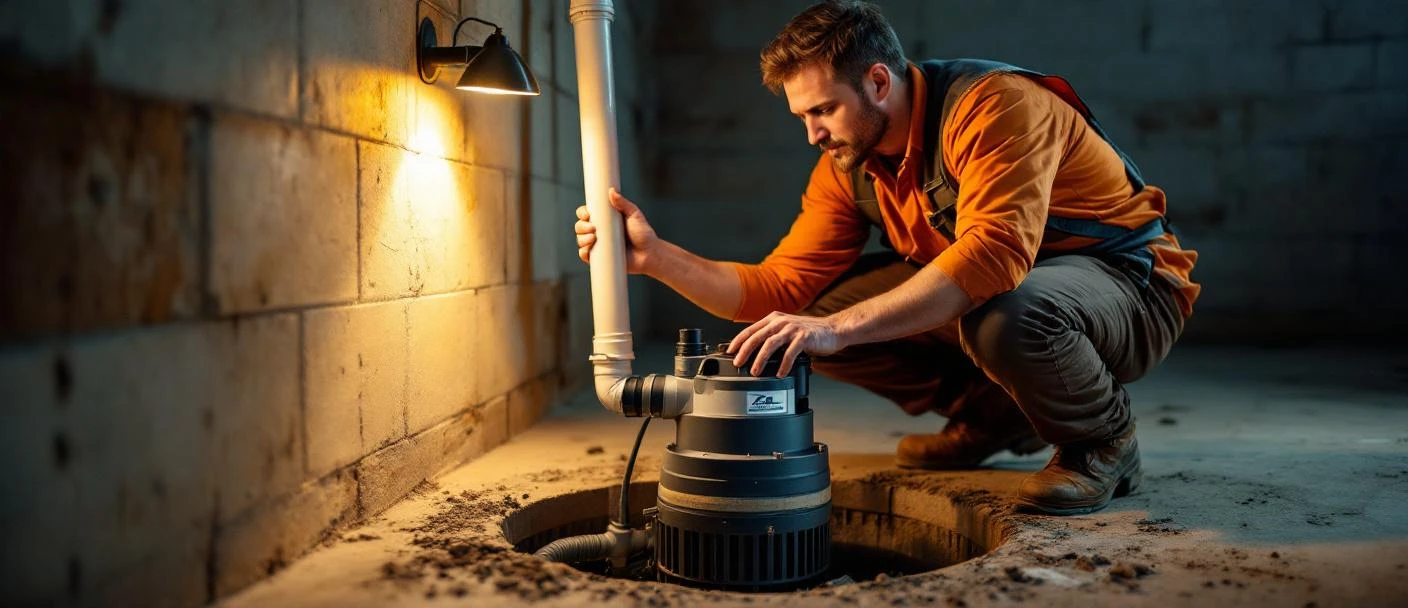
Submersible pump replacement procedure: shut off power at the breaker, disconnect the discharge line at the union, lift the pump out of the pit, install new pump with appropriate float and discharge connection, restore power, and test with a manual fill of the pit.
Zoeller M53 is the dominant residential 1/3 hp model — proven mechanical reliability and reasonable pricing. Liberty 257 and Wayne CDU800 are direct competitors. Zoeller M267 and Liberty 237 at 1/2 hp serve higher-cycle applications.
Total replacement time 1.5-2 hours for like-for-like replacement. Add float switch upgrade (vertical-action or Levelguard electronic) for $50-$120 in parts.
Pedestal Sump Pump Replacement
Pedestal replacement is similar to submersible but the motor sits above the pit on a vertical column. Wayne SPV500 and Superior 92301 are dominant residential models. Best for narrow pits or applications where motor servicing access matters.
Pedestal is louder and less aesthetic than submersible, so it’s typically chosen for unfinished or utility-only basement spaces.
Battery Backup Sump Pump
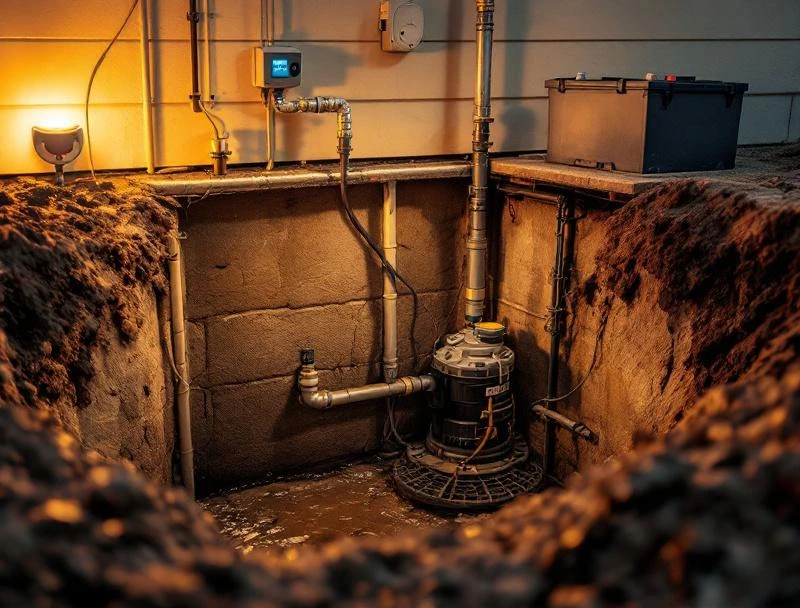
Battery backup install: install backup pump in the same pit alongside primary, install dedicated check valve on backup discharge, install battery (AGM marine deep-cycle 75-150 amp-hour typical), install charger-controller with low-battery alarm, route alarm to homeowner-accessible location, test battery cutover.
Zoeller Aquanot 508, Wayne ESP25, Basement Watchdog Big Combo BWC1 are dominant systems. Battery replacement every 3-5 years for AGM; flooded marine batteries less suitable for warm utility room install. Total install runs $700-$1,500 in the Tulsa market.
Water-Powered Backup Sump Pump
Water-powered backup install: tap into 1/2-inch supply line near the sump pit, install RPZ backflow preventer (City of Tulsa code requirement), install water-powered pump unit (Liberty SJ10, Basepump RB750-EZ), connect to discharge line, test cutover by simulating high water.
The RPZ requires annual testing through City of Tulsa Cross-Connection program. Water-powered pumps use city water pressure via venturi action — 1-2 gallons of city water for every gallon pumped from the pit.
For Tulsa homes with reliable 60-80 psi supply pressure, water-powered is maintenance-light (no battery to replace) but introduces the RPZ annual-testing obligation. Total install runs $1,200-$2,400.
Float Switch Replacement and Diagnosis
Float-switch failure is the single most common sump-pump call. Failure modes: stuck float (debris, ice, or hardware wear), failed switch contacts (sealed sealed-cell switches eventually fatigue), or piggyback plug failure (wear on the plug body).
Tethered floats hang on a cable from the pump body and rise/fall with water level. Wider operating range but require larger pit clearance. Vertical-action floats mount vertically beside the pump and trigger at fixed water levels. Narrower operating range but work in tight pits. Levelguard electronic floats use water-level sensors with no moving parts.
Replacement: shut off power, remove the failed float, install new float with appropriate adjustment, restore power, and test by manual fill or float lift.
Check Valve Replacement
Check valves prevent water from flowing back into the pit when the pump cycles off. Failure modes: worn seat allowing backflow (pump cycles repeatedly without progress), stuck closed (pump runs but no water leaves), or noisy operation (water hammer at cycle end).
Spring check valves use a spring-loaded disc and are quieter at cycle end. Swing check valves use a hinged flap and are more reliable but louder. 1.5” or 2” PVC discharge sizing typical residential.
Replacement: shut off power, disconnect discharge at the check-valve unions, install new check valve in correct flow direction (arrow on body), pressure test, restore service.
Sump Pit Cleaning and Sediment Removal
Annual pit cleaning prevents the bulk of sump-pump failures. Procedure: pump out remaining water, scoop sediment from the pit bottom (3-5 inches typical accumulation per year), inspect the pit liner for cracks, clean the pump exterior, verify check-valve operation, test float operation manually, and reseat the pump.
Heavy iron-bacteria activity may warrant pit liner replacement in extreme cases. Bacterial slime can coat the pit interior and contribute to ongoing pump issues even after cleaning.
Discharge Line Repair and Freeze-Protection
Discharge line failure modes: frozen at shallow run, clogged with sediment, kinked, disconnected at union, or cracked from settlement. Inspection follows the line from pump to daylight termination, identifying the failure point.
Freeze protection retrofit: install IceGuard or FreezeGuard relief fitting at the house exit, ensure continuous downward slope to daylight, insulate any horizontal sections in the freeze zone. Total retrofit runs $300-$600.
Long discharge runs through landscape can carry sediment that builds up at fittings, and Tulsa drain cleaning runs the discharge with cable to clear blockage that mimics pump failure.
Smart Sump Monitor and High-Water Alarm
Smart monitor install: position sensor near the high-water alarm point in the pit, route power and signal cable to the monitoring unit, configure WiFi or cellular notification, test by manual high-water simulation.
Basement Watchdog BWD-HWA, Zoeller A-Pak, Levelguard Z-Switch with alarm are dominant residential monitors. Notification paths typically include push notifications, email alerts, and optional connected-home integrations.
For unoccupied or seasonal Tulsa properties, smart monitoring is the highest-value preventive upgrade after battery backup. Total install runs $250-$500 for monitor + sensor + setup.
Sump Pump Sizing for Tulsa Demand
Sizing process: measure drain-tile inflow rate during a controlled fill test (open hose into pit, measure rate at full inflow), calculate pit volume to high-water trigger point, calculate cycle time at expected inflow, size pump to handle the inflow with 25-50% capacity margin.
For typical Tulsa residential drain-tile inflow during heavy rainfall events, 1/3 hp submersible at 35-45 GPM at 10 feet of head is adequate. 1/2 hp is appropriate for higher inflow rates or tight pit configurations. Larger pumps (3/4 hp+) are rarely needed for residential applications.
Sump Pump Power Failure Diagnosis
Power-failure diagnosis: verify breaker on, test outlet voltage with a non-contact tester or plug-in GFCI tester, check piggyback plug if used, verify dedicated circuit hasn’t tripped from shared overload (basement freezer or dehumidifier on same circuit is a frequent culprit), check capacitance on start/run capacitors.
GFCI breaker on a sump pump dedicated circuit is a code requirement. Nuisance trips from shared circuit overload or moisture infiltration into the pump’s electrical connections are recurring service calls.
Drain Tile and French Drain Integration
Drain tile (perimeter drainage) feeds water into the sump pit from the foundation perimeter. Standard installation: 4-inch perforated drain tile with sock-wrap filter and gravel envelope, sloped toward the pit at 1/8 inch per foot.
Drain-tile clogs at the pit entry mimic pump failure. Iron-bacteria buildup in the tile inflow point can restrict flow into the pit even when the pump itself is healthy. Annual pit cleaning should include drain-tile inflow inspection.
For older 74133 South Tulsa retrofits with unsleeved drain tile, silt-blockage at the pit entry is a common ongoing maintenance issue. Sock-wrap retrofit can resolve persistent silt issues.
Tulsa-Specific Factors That Shape Sump Pump Repair
Arkansas River flood plain along 74063 Sand Springs, 74066 Sapulpa, 74107 West Tulsa drives baseline sump cycle frequency that’s 2-3× inland zips. 74037 Jenks along the Arkansas River shares similar conditions.
Tulsa storm season May-June convective systems drive demand spikes. Tulsa frost line ~12 in and code-required 18-inch discharge depth-of-cover affects freeze risk. City of Tulsa Water 60-80 psi supply pressure makes water-powered backup feasible for most Tulsa homes.
February 2021 Uri freeze destroyed exposed sump discharge lines across the metro — many discharge runs were retrofit with IceGuard relief fittings during post-Uri cleanup. Lessons from Uri shape current freeze-protection practice.
Oklahoma Plumbing Context for Sump Pump Work
Oklahoma CIB licensing applies to sump pump installation that involves plumbing work (water-powered backup with RPZ, drain-tile-to-sump integration, discharge-line modification). Tulsa Codes & Construction Services issues permits where scope triggers.
City of Tulsa Wastewater prohibits sump-pump discharge to the sanitary sewer. City of Tulsa Cross-Connection program governs RPZ installations on water-powered backups with annual testing requirements. Verify any contractor’s license at cib.ok.gov before authorizing work.
Sump failures during a storm are the textbook after-hours call, and our Emergency Plumber Tulsa dispatch is the same team that runs flooded basements at 2 AM.